100 Million Years of Food: What Our Ancestors Ate and Why It Matters Today
Sign in to keep track of books you’ve read and want to read.
A fascinating tour through the evolution of the human diet, and how we can improve our health by understanding our complicated history with food.
Read more
There are few areas of modern life that are burdened by as much information and advice, often contradictory, as our diet and health: eat a lot of meat, eat no meat; whole-grains are healthy, whole-grains are a disaster; eat everything in moderation; eat only certain foods—and on and on. In One Hundred Million Years of Food biological anthropologist Stephen Le explains how cuisines of different cultures are a result of centuries of evolution, finely tuned to our biology and surroundings. Today many cultures have strayed from their ancestral diets, relying instead on mass-produced food often made with chemicals that may be contributing to a rise in so-called "Western diseases," such as cancer, heart disease, and obesity.
Travelling around the world to places as far-flung as Vietnam, Kenya, India, and the US, Stephen Le introduces us to people who are growing, cooking, and eating food using both traditional and modern methods, striving for a sustainable, healthy diet. In clear, compelling arguments based on scientific research, Le contends that our ancestral diets provide the best first line of defense in protecting our health and providing a balanced diet. Fast-food diets, as well as strict regimens like paleo or vegan, in effect highjack our biology and ignore the complex nature of our bodies. In One Hundred Million Years of Food Le takes us on a guided tour of evolution, demonstrating how our diets are the result of millions of years of history, and how we can return to a sustainable, healthier way of eating.
Liked 100 Million Years of Food: What Our Ancestors Ate and Why It Matters Today? Here’s where I’d start.
These suit anyone who liked 100 Million Years of Food: What Our Ancestors Ate and Why It Matters Today. Sign in and mark a few books for picks shaped around your own taste.
-
The Omnivore's Dilemma: A Natural History of Four Meals Shares nonfiction, food, science
-
 Twinkie, Deconstructed: My Journey to Discover How the Ingredients Found in Processed Foods Are Grown, Mined (Yes, Mined), and Manipulated Into What America Eats Shares food, nonfiction, science
 -
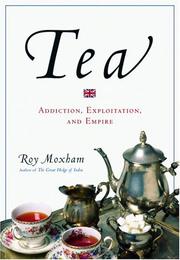 Tea: Addiction, Exploitation, and Empire Shares nonfiction, food, history
 -
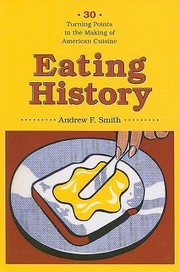 Eating History: Thirty Turning Points in the Making of American Cuisine Shares food, nonfiction, history