Mistakes Were Made (But Not by Me): Why We Justify Foolish Beliefs, Bad Decisions, and Hurtful Acts
Sign in to keep track of books you’ve read and want to read.
Why do people dodge responsibility when things fall apart? Why the parade of public figures unable to own up when they screw up? Why the endless marital quarrels over who is right? Why can we see hypocrisy in others but not in ourselves? Are we all liars? Or do we really believe the stories we tell?
Read more
Renowned social psychologists Carol Tavris and Elliot Aronson take a compelling look into how the brain is wired for self-justification. When we make mistakes, we must calm the cognitive dissonance that jars our feelings of self-worth. And so we create fictions that absolve us of responsibility, restoring our belief that we are smart, moral, and right — a belief that often keeps us on a course that is dumb, immoral, and wrong.
Backed by years of research and delivered in lively, energetic prose, Mistakes Were Made (But Not by Me)offers a fascinating explanation of self-deception — how it works, the harm it can cause, and how we can overcome it.
Liked Mistakes Were Made (But Not by Me): Why We Justify Foolish Beliefs, Bad Decisions, and Hurtful Acts? Here’s where I’d start.
These suit anyone who liked Mistakes Were Made (But Not by Me): Why We Justify Foolish Beliefs, Bad Decisions, and Hurtful Acts. Sign in and mark a few books for picks shaped around your own taste.
-
 Why We Make Mistakes: How We Look Without Seeing, Forget Things in Seconds, and Are All Pretty Sure We Are Way Above Average Shares nonfiction, psychology, science
 -
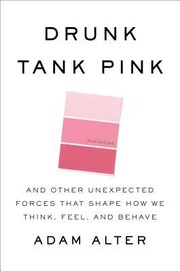 Drunk Tank Pink: And Other Unexpected Forces that Shape How We Think, Feel, and Behave Shares nonfiction, science, psychology
 -
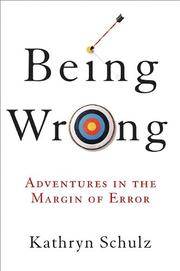 Being Wrong: Adventures in the Margin of Error Shares nonfiction, psychology, science
 -
 Everything is Obvious: Once You Know the Answer Shares nonfiction, science, psychology